
 By hq2026host5@gmail.com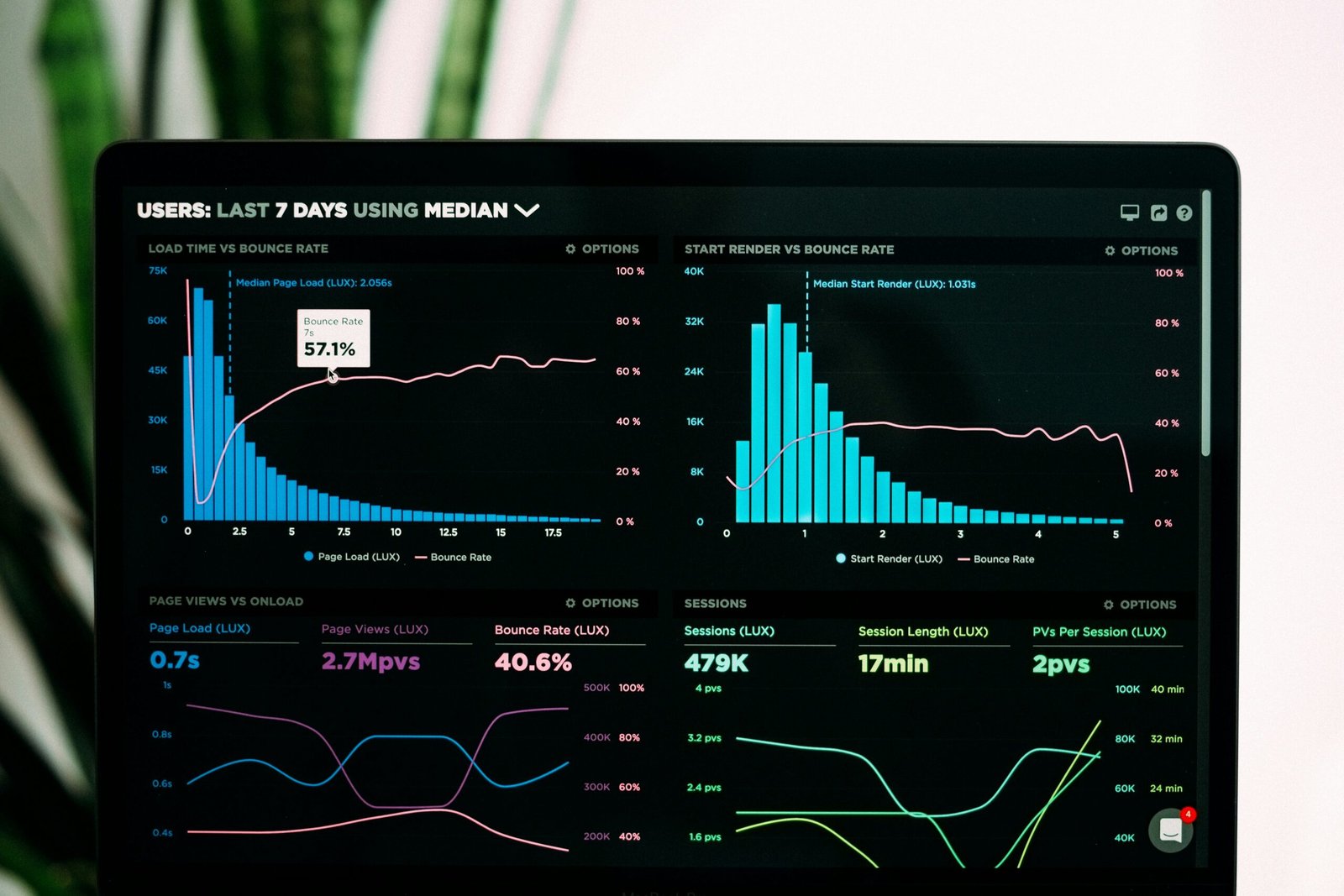
In today’s data-driven world, businesses generate massive amounts of information every day. From customer interactions and sales transactions to website traffic and marketing campaigns, data plays a crucial role in decision-making. However, raw data alone is not enough. To unlock its true value, businesses need powerful data analytics tools that can transform information into actionable insights.
Data analytics tools have become essential for companies looking to improve performance, understand customer behavior, and gain a competitive edge. Whether you are a small business or a large enterprise, leveraging the right tools can significantly contribute to your growth.
What Are Data Analytics Tools?
Data analytics tools are software applications designed to collect, process, and analyze data. These tools help businesses identify patterns, trends, and relationships within their data, enabling smarter and faster decision-making.
They can handle large volumes of structured and unstructured data, providing visualizations, reports, and dashboards that make complex information easier to understand.
Why Data Analytics is Important for Business Growth
Data analytics allows businesses to make informed decisions based on facts rather than assumptions. By analyzing customer behavior, companies can identify preferences, improve products, and deliver better services.
It also helps optimize operations. Businesses can identify inefficiencies, reduce costs, and improve productivity by understanding how their processes work.
Another key benefit is improved marketing strategies. Data analytics tools provide insights into campaign performance, helping businesses target the right audience and maximize return on investment.
Key Features of Data Analytics Tools
1. Data Visualization
Data visualization is one of the most important features of analytics tools. It allows users to present data in the form of charts, graphs, and dashboards.
Visual representations make it easier to understand trends and patterns, enabling quick decision-making.
2. Real-Time Analytics
Real-time analytics provides up-to-date insights, allowing businesses to respond quickly to changes. This is especially useful for monitoring website traffic, sales performance, and customer interactions.
3. Data Integration
Modern businesses use multiple systems and platforms. Data analytics tools can integrate data from different sources, providing a unified view of business performance.
This helps eliminate data silos and ensures accurate analysis.
4. Predictive Analytics
Predictive analytics uses historical data and machine learning to forecast future trends. Businesses can use this feature to anticipate customer behavior, demand patterns, and market changes.
Popular Data Analytics Tools
Several data analytics tools are widely used by businesses across different industries. Tools like Google Analytics, Tableau, Power BI, and Looker offer powerful features for data analysis and visualization.
Each tool has its own strengths, so the choice depends on your business needs, technical expertise, and budget.
For example, Google Analytics is ideal for tracking website performance, while tools like Tableau and Power BI are better suited for advanced data visualization and reporting.
Benefits of Using Data Analytics Tools
One of the biggest benefits is improved decision-making. With accurate data insights, businesses can make strategic decisions that drive growth.
Data analytics also enhances customer experience. By understanding customer preferences and behavior, companies can offer personalized services and improve satisfaction.
Another advantage is increased efficiency. By identifying bottlenecks and inefficiencies, businesses can streamline operations and reduce costs.
Additionally, data analytics tools help businesses stay competitive by providing insights into market trends and competitor performance.
Challenges in Data Analytics
Despite its benefits, data analytics comes with challenges. One common issue is data quality. Inaccurate or incomplete data can lead to incorrect insights and poor decisions.
Another challenge is the complexity of tools. Some analytics platforms require technical expertise, which may be difficult for small businesses.
Data privacy and security are also important concerns. Businesses must ensure that they handle data responsibly and comply with regulations.
How to Choose the Right Data Analytics Tool
When selecting a data analytics tool, start by identifying your business needs. Determine what type of data you want to analyze and what insights you are looking for.
Consider ease of use. Choose a tool that matches your team’s skill level and offers a user-friendly interface.
Scalability is another important factor. The tool should be able to handle growing data volumes as your business expands.
Cost is also a key consideration. Compare pricing plans and ensure that the tool provides value for money.
Best Practices for Using Data Analytics
To get the most out of data analytics, businesses should focus on data quality. Ensure that your data is accurate, complete, and up to date.
Set clear goals for your analysis. Knowing what you want to achieve helps you focus on relevant data and avoid unnecessary complexity.
Train your team to use analytics tools effectively. Proper training ensures that employees can interpret data correctly and make informed decisions.
Regularly review and update your analytics strategy to keep up with changing business needs.
Future of Data Analytics
The future of data analytics is closely tied to advancements in artificial intelligence and machine learning. These technologies are making analytics tools more powerful and accessible.
Automation is becoming a key trend, allowing businesses to generate insights without manual intervention. This saves time and improves accuracy.
As data continues to grow, businesses that leverage analytics effectively will have a significant advantage in the market.
Cheap Car Insurance for Young Drivers
Final Thoughts
Data analytics tools are essential for driving business growth in today’s competitive environment. They provide valuable insights that help businesses make smarter decisions, improve efficiency, and enhance customer experience.
By choosing the right tools and using them effectively, businesses can unlock the full potential of their data and achieve long-term success. Investing in data analytics is not just a trend—it is a necessity for sustainable growth in the digital age.